A ticket confirms that somebody is expected at an event. In
motorsport, that is just the beginning.
Promoters and organising clubs may also need to know who the person is, what role they hold, whether they are appropriately licensed, which vehicle or category they are connected to, whether required declarations have been completed and who should be contacted in an emergency.
Add officials, crew, media, sponsors, guests, passengers and volunteers, and the event quickly becomes a complex information and operations project.
Standard ticketing platforms are usually optimised for a simple sequence: select a ticket, pay and receive a confirmation. That works well for general admission. It is less effective when attendance depends on different requirements for different people.
A competitor may need to provide licence and vehicle details. A passenger may need to complete a disclaimer. A junior participant may require guardian consent. An official may need a role allocation and sign-on record. A hospitality guest may need an access credential, dietary details and a precise arrival instruction.
These are not optional administrative extras. Motorsport Australia’s forms index illustrates the breadth of information involved, listing event entry forms, medical records, officials’ sign-on sheets, incident reports, vehicle documents, scrutiny checklists and other event
materials. Its disclaimer guidance also states that organisers operating under a Motorsport Australia permit are primarily responsible for ensuring the necessary waiver and indemnity is in place, and notes that a claim may be denied if it is not obtained.
A standard ticket record rarely provides a robust way to manage this variety. The usual workaround is to add separate online forms, PDFs, spreadsheets and inbox workflows. That creates a dangerous separation between the person who has a ticket and the information needed for them to participate safely and smoothly.
The problem appears at check-in
Disconnected information creates uncertainty. Staff may know that a person has paid but not whether a waiver is complete. A spreadsheet may contain an updated emergency contact while the printed list reflects an earlier version. A crew member may be in an email thread but absent from the access list.
On the day, those gaps become queues, manual checking and rushed decisions. They also pull experienced team members away from event delivery to search for records or resolve exceptions at the gate.
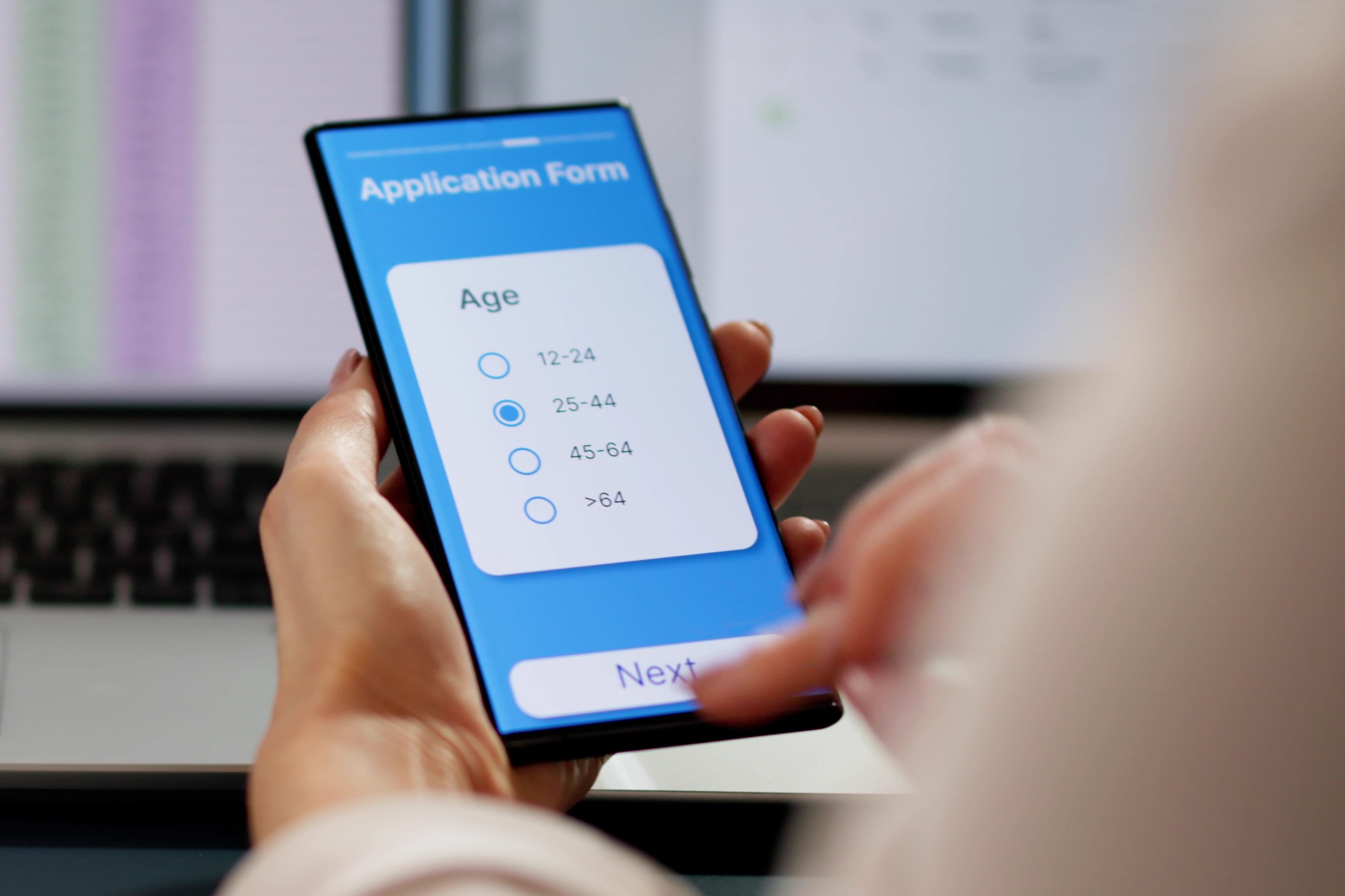
Purpose-built event project management software treats ticketing as one connected part of the event. Dynamic forms can collect different information according to ticket type, participant category or response.
Registration details can remain linked to the relevant ticket holder, while operational teams work from the same event workspace used for schedules, suppliers, tasks and check-in.
No software can replace a promoter’s legal, safety or regulatory responsibilities. It can, however, make it easier to see whether required information has been requested, received and made available to authorised staff.
That visibility matters in an environment where plans must account for medical incidents and other emergencies. Safe Work Australia advises that emergency plans should be based on a practical assessment of workplace hazards and possible consequences, and should cover communication, medical assistance and instructions for relevant
workers.
The operational question is therefore not simply, “How many tickets have we sold?” It is, “Are the right people ready, documented and expected in the right place at the right time?”
Circolo is positioned around that wider question. By bringing ticketing, dynamic forms, participant information, planning, runsheets and check-in into one connected workspace, event teams gain more control before arrival and fewer surprises when the action starts.