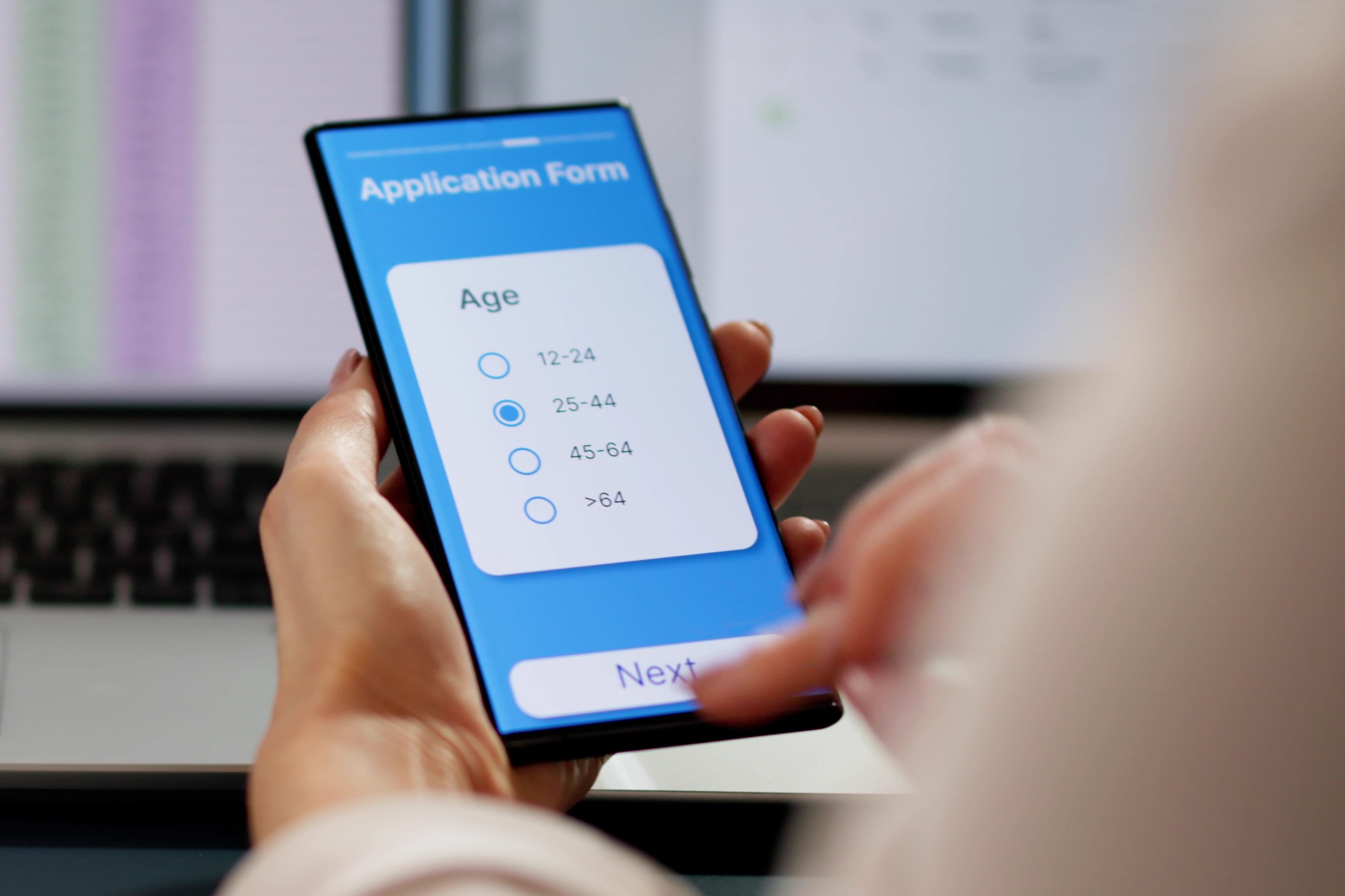
A spreadsheet for the guest list. A task board for planning. A shared
drive for supplier documents. A ticketing platform for sales. An online
form for waivers. Email for approvals. A printed runsheet for the
day.
Each tool may be inexpensive and capable on its own. The cost appears
in the gaps between them.
Disconnected event tools create work that is easy to overlook because
it is spread across the team: exporting, copying, checking, renaming,
reconciling and asking which version is current. None of those
activities improves the event itself, yet each consumes time and
introduces another opportunity for error.
The first cost is staff time
When systems do not share context, people become the integration
layer. A registration change has to be copied into a spreadsheet. A
dietary update must reach the caterer. A completed waiver needs to be
matched with a ticket holder. A new supplier time must be reflected in
the runsheet and communicated to the delivery team.
Microsoft’s 2023 Work Trend Index found that the average Microsoft
365 user spent 57% of their time communicating and only 43% creating.
Atlassian’s State of Teams 2024 research highlights related problems:
difficulty finding information, duplicate work and inconsistent ways of
planning and tracking work. In events, this “work about the work”
increases as the date approaches and the cost of delay rises.
The second cost is
operational risk
Copying data between tools creates version drift. One list shows the
updated emergency contact; another does not. A guest has completed a
form, but the check-in team cannot see it. A supplier is working from
yesterday’s schedule. These are small discrepancies until they create a
queue, missed requirement or rushed decision.
Risk is particularly important when the information relates to
waivers, medical needs, minors, access or event safety. Motorsport
Australia, for example, states that organisers under its permits are
primarily responsible for ensuring necessary waivers and indemnities are
in place. Fragmented records make completion harder to verify.
The third cost is
the participant experience
Operational friction becomes visible at the front desk or start line.
Guests repeat information they have already supplied. Participants
search for confirmation emails. Staff work through multiple lists.
Queues grow while missing fields are resolved.
The attendee may never know that the cause was a spreadsheet
mismatch, but they experience the event as disorganised. Conversely,
connected information supports faster check-in, clearer communication
and a more professional arrival.
The fourth cost is
constrained growth
A manual process may survive one event but fail across a season,
series or portfolio. As volume grows, administration tends to grow with
it. Teams become reluctant to add events because each one requires
another round of setup and reconciliation.
A connected event project management platform changes the economics
by making repeatable work reusable. Event structures, tasks, forms,
suppliers and delivery workflows can provide a stronger starting point
for the next event. Information collected from guests or participants
can remain connected to registration and check-in rather than being
repeatedly moved between systems.
The case for consolidation is not that every specialist tool is bad
or that an organisation must replace everything at once. It is that the
operational centre of the event should be clear. Teams need one reliable
place to understand the plan, the people, the outstanding information
and the on-the-day workflow.
Circolo is designed to provide that centre. By bringing planning,
tasks, suppliers, budgets, documents, ticketing, dynamic forms,
runsheets and check-in into one workspace, it helps event teams reduce
manual administration, lower risk, deliver more events and improve the
guest or participant experience. The true return is not merely fewer
subscriptions. It is more of the team’s time directed towards the event
itself.