Generic project management software is excellent at answering questions such as: What needs to be done? Who owns it? When is it due? Corporate event teams certainly need those answers – but they also need to know who is attending, what each guest requires, which supplier is arriving when, how the event will run minute by minute and whether the
information at the registration desk matches the latest plan.
That is why a task board alone rarely provides the complete operating environment for a corporate event.
An event connects work with people
A corporate event can involve internal stakeholders, an executive sponsor, venues, caterers, audiovisual teams, speakers, security, transport providers and external guests. The planning work is inseparable from attendee information.
Consider a speaker change. It may affect the agenda, runsheet, briefing notes, audiovisual requirements, catering timing and communications to guests. A project management tool can record the task, but it may not connect that change to the event’s operational records. The team then relies on messages and manual updates across several
systems.
This coordination burden is measurable. Microsoft’s 2023 Work Trend Index found that the average Microsoft 365 user spent 57% of their time communicating rather than creating, while 68% said they lacked enough uninterrupted focus time. Atlassian’s State of Teams 2024 research likewise found that teams struggle to find information and collaborate when work is planned and tracked in different ways.
For an event team, those patterns show up as status meetings, duplicate data entry, approval chasing and repeated questions about the latest version.
Delivery requires event-specific capabilities
Corporate events need capabilities that sit outside a conventional task list. These may include RSVP management, guest details, dietary and accessibility requirements, seating or group allocations, supplier coordination, budgets, documents, schedules, runsheets and on-site check-in.
Event agencies and planners face an additional challenge: they may be running multiple client events simultaneously. Reusable workflows are essential, but each client’s guests, brand requirements, permissions and suppliers must remain clearly organised.
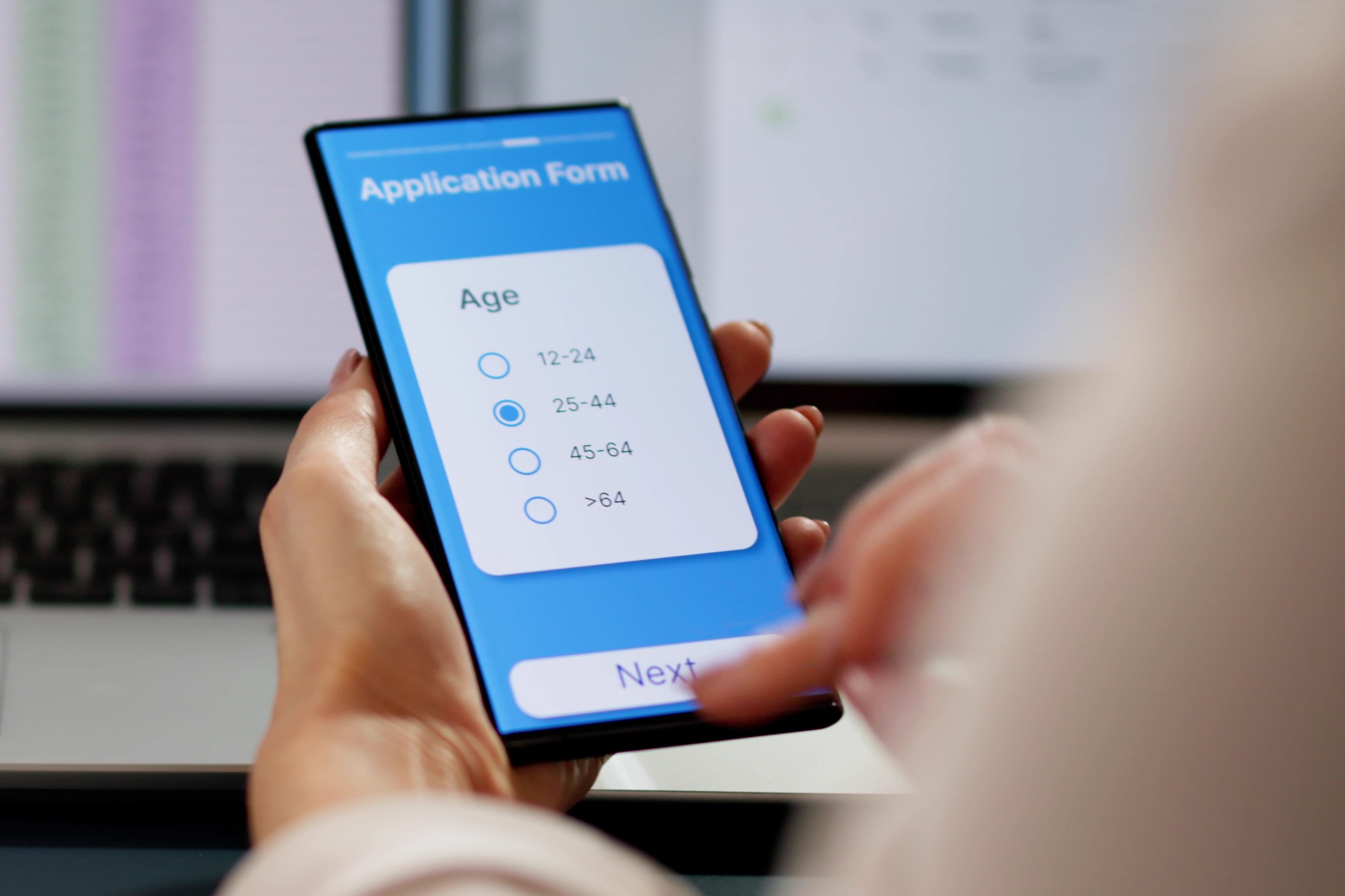
An event project management platform like Circolo brings these layers together. Tasks can sit alongside the guest list. Supplier details can relate to delivery milestones. The final runsheet can reflect the same operational plan the team has been developing. Information collected through forms can be available to authorised staff without being copied manually into another spreadsheet.
A better experience starts behind the scenes
Guests may never see the software, but they experience its effects. They notice when check-in is fast, dietary requirements have reached the caterer, accessibility needs have been considered and staff can answer questions confidently. They also notice queues, missing names and conflicting instructions.
Centralising event operations can therefore improve both efficiency and professionalism. Teams spend less time searching for information and more time designing the experience. Clearer records also make it easier to repeat successful event formats rather than rebuilding the process for every conference, leadership retreat, awards night or client
function.
The difference is one of scope. A project management tool helps manage the work. Event project management software helps manage the work, the people and the live delivery environment as one connected project.
Circolo is designed around that broader operational need. It combines planning, tasks, suppliers, budgets, guest information, runsheets and event delivery workflows in a central workspace, with dynamic forms available for teams that need richer guest or event-specific information. For corporate event teams, that means more control, less administration and a more consistent experience from invitation to
arrival.